
Article
How HVAC Condition Affects Home Appraisals: 2026 Essential Guide
Why HVAC Condition Is One of the Biggest Financial Factors in Your Home Appraisal
How HVAC condition affects home appraisals is one of the most overlooked factors when homeowners in Metro Atlanta prepare to sell, refinance, or apply for a home equity line of credit — and the financial stakes are very real.
Here is a quick summary of what you need to know:
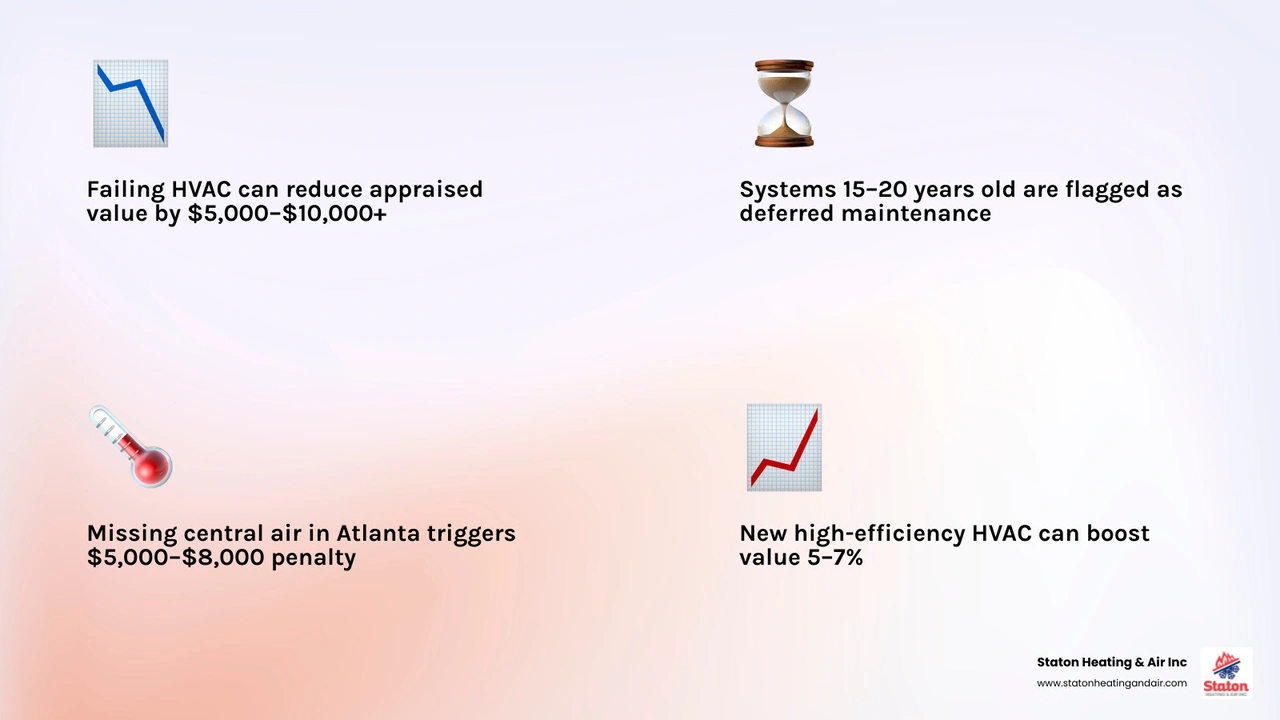
- Failing or outdated HVAC can reduce your appraised value by $5,000 to $10,000 or more
- Systems 15 to 20 years old are commonly flagged as deferred maintenance by appraisers
- Missing central air in a market where it is expected can trigger a $5,000 to $8,000 value penalty
- A new or high-efficiency system may increase appraised value by 5% to 7%
- HVAC replacement typically recoups 40% to 60% of its cost in added home value
- Documentation — service records, permits, and efficiency ratings — directly influences how appraisers credit your system
Appraisers evaluate your heating and cooling system as part of the home's overall physical condition, right alongside the roof, plumbing, and electrical. They check the system's age, run a basic functional test, look for visible wear, and estimate how much useful life remains. A system that looks neglected or is nearing the end of its life sends a clear signal that the buyer will face a major expense soon — and appraisers adjust the value accordingly.
In a market like Metro Atlanta, where summers are long and humid and reliable air conditioning is not a luxury but a necessity, the condition of your HVAC system carries even more weight.
Terms related to how hvac condition affects home appraisals:
How HVAC Condition Affects Home Appraisals: The Appraiser's Checklist
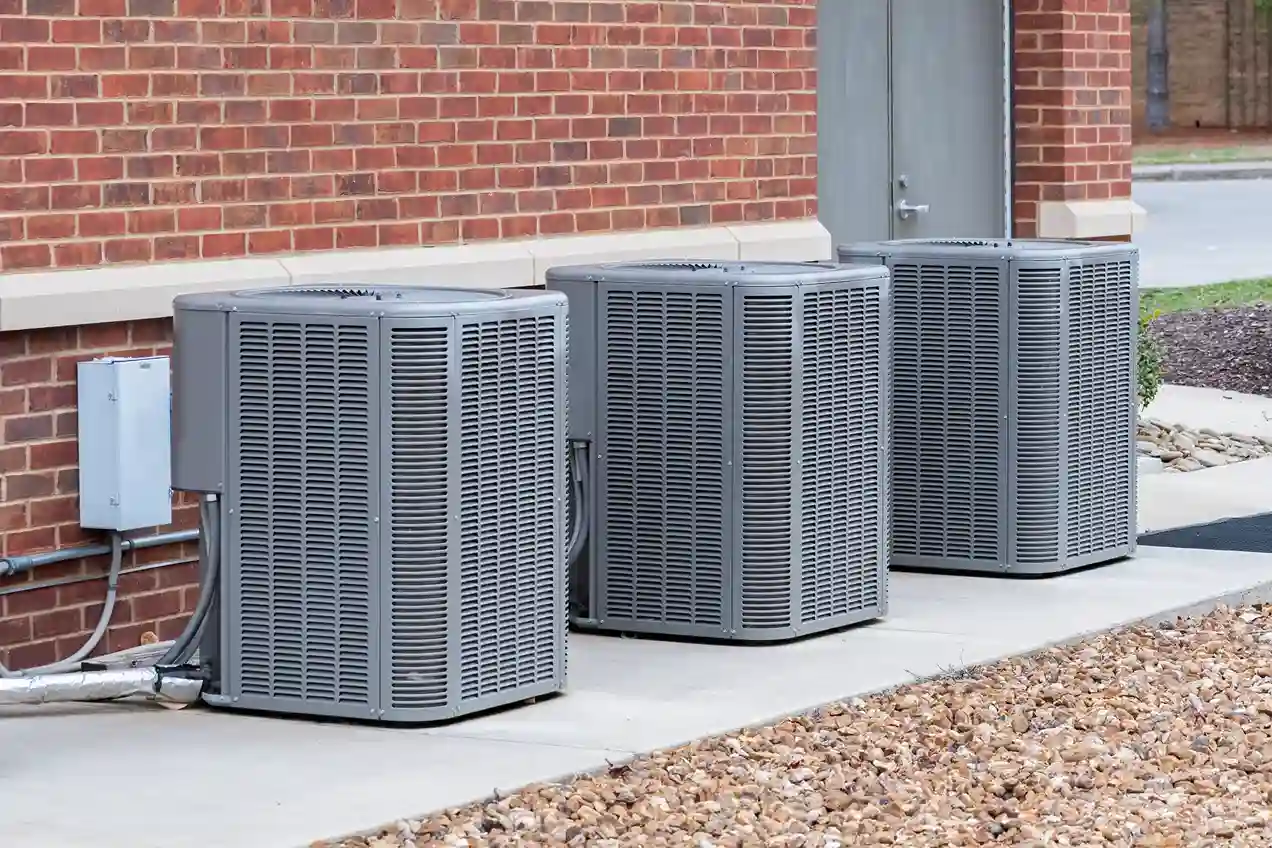
When an appraiser steps onto your property in Alpharetta, Milton, or anywhere in the Metro Atlanta area, they aren't performing a deep-dive mechanical inspection like a licensed HVAC technician would. Instead, they are evaluating your heating and cooling system under the "Physical Condition" category of the Uniform Residential Appraisal Report.
To determine how your HVAC system influences your overall property value, appraisers follow a specific checklist:
- Functional Testing: The appraiser will walk over to your thermostat, turn on the heat, and then switch over to the air conditioning. They want to verify that the system responds immediately, blows air through the vents, and successfully alters the indoor temperature.
- Visual Inspection: They look closely at both the indoor unit (furnace or air handler) and the outdoor condenser. They are checking for obvious red flags like heavy rust, dented cabinets, frayed wiring, standing water, or rusted drain pans.
- Manufacturer Labels: Appraisers check the manufacturer labels on your units to find the model and serial numbers. This allows them to verify the exact tonnage (sizing) and determine the chronological age of the equipment. If these labels are missing or illegible, it can create a major question mark, often leading the appraiser to assume the worst about the system's age.
- Remaining Useful Life (RUL): Based on the system's age and visible condition, the appraiser estimates how many years of service the system has left. If the system has less than five years of remaining useful life, it transitions from a neutral asset to a financial liability.
Understanding these criteria is essential because a system in peak condition can protect your home's equity, while a neglected unit can quickly drag down your property's valuation. To learn more about how a well-maintained system influences your bottom line, read our guide on How a New HVAC System Increases Home Value.
How hvac condition affects home appraisals during the walkthrough
During the physical walkthrough of your home, the appraiser forms an overall impression of how well the property has been maintained. The HVAC system often serves as the "canary in the coal mine." If an appraiser spots a furnace covered in thick dust, a completely clogged 1-inch air filter, or leaky, unsealed ductwork in the basement, they will immediately suspect that the rest of the home's hidden systems (like plumbing and electrical) have also been neglected.
A system that screeches, rattles, or struggles to maintain a consistent temperature across different rooms will be noted on the appraisal report. These functional issues indicate to the appraiser that the home has significant deferred maintenance. If you are noticing uneven temperatures, frequent cycling, or strange noises, it is highly recommended to address these issues before the appraiser arrives. For a detailed list of warning signs that could hurt your valuation, review the Signs You Need HVAC Replacement.
How hvac condition affects home appraisals for refinances and HELOCs
If you are applying for a Home Equity Line of Credit (HELOC) or refinancing your mortgage in Cumming, GA, or Johns Creek, the appraisal is the gatekeeper of your borrowing power. In these scenarios, the appraiser is looking to protect the lender's investment.
A failing or end-of-life HVAC system can trigger a "deferred maintenance" penalty of $5,000 to $10,000 on your appraisal. This deduction directly reduces your home's calculated equity, which in turn shrinks your maximum HELOC credit limit or can even derail a refinance approval entirely.
On the other hand, maintaining a healthy, fully operational system acts as an equity safeguard. It ensures you receive the maximum possible valuation for your home's current condition, preserving your borrowing capacity. If your system is on the fence, you'll need to weigh your options carefully. Check out our expert breakdown on Should I Repair or Replace My HVAC System to make the most financially strategic decision before your appraisal.
Efficiency Metrics and Value Penalties
In today's real estate market, efficiency is no longer just a buzzword—it is a measurable component of property value. Appraisers look closely at specific efficiency ratings to determine if your system is a modern asset or an obsolete liability.
| HVAC System Status | Appraisal Value Adjustment | Typical Impact on Buyer/Lender Perception |
|---|---|---|
| High-Efficiency Upgrades (SEER2 18+, AFUE 95%+) | +$1,000 to +$2,000 (or up to 5%-7% overall value increase) | Viewed as a premium, modern asset; lowers projected utility costs. |
| Standard / Functional System (SEER2 14-16) | Neutral (Baseline) | Meets standard market expectations; no value deduction. |
| Aging / Outdated System (15-20+ Years Old) | -$3,000 to -$6,000 | Flagged as nearing end-of-life; buyer will face replacement costs soon. |
| Failing System or Missing Central Air | -$5,000 to -$10,000+ | Heavy penalty; triggers deferred maintenance or functional obsolescence. |
These value adjustments are tied directly to standard industry efficiency metrics:
- SEER2 (Seasonal Energy Efficiency Ratio 2): This measures the cooling efficiency of air conditioners and heat pumps. Older systems in places like Marietta or Dunwoody often have SEER ratings of 10 to 12. As of recent regulatory updates, modern systems must meet higher SEER2 standards. A system with a SEER2 rating of 18 or higher represents a premium upgrade that can justify positive adjustments.
- AFUE (Annual Fuel Utilization Efficiency): This measures furnace heating efficiency. A standard older furnace might have an 80% AFUE, meaning 20% of the energy is wasted. A modern, high-efficiency furnace with a 95% or higher AFUE rating means 95 cents of every dollar goes directly into heating your home, which appraisers recognize as a significant operating cost advantage.
- HSPF2 (Heating Seasonal Performance Factor 2): This measures the heating efficiency of heat pumps. Higher ratings indicate lower electricity consumption during our chilly Georgia winter months.
The Refrigerant Transition Factor
Another major element appraisers and underwriters watch for is the type of refrigerant your system uses.
Systems running on R-22 refrigerant (which was completely phased out due to environmental regulations) are treated as having virtually zero remaining useful life. Because R-22 is no longer produced, even a minor leak can result in astronomically expensive repairs, making these systems immediate candidates for replacement.
Furthermore, as we navigate June 2026, the industry is fully transitioning to newer, environmentally friendly standards, such as R-454B refrigerants, under the EPA AIM Act. Systems that are future-proofed against these phase-outs stand out as superior assets during property valuations, while older R-410A units are beginning to receive closer scrutiny. If your system is still running on phased-out chemical refrigerants, it may be time to consult an expert. Learn more about timing your upgrade by reading When to Consider AC Replacement.
Maximizing ROI with Strategic HVAC Upgrades
If you have decided to upgrade your heating and cooling system before listing your home or applying for a loan, you want to focus on improvements that offer the highest return on investment (ROI). While HVAC upgrades rarely return dollar-for-dollar value, they excel at protecting your equity and eliminating costly value penalties.
- Adding Central Air: If you own an older home in a competitive market like Kennesaw or Decatur that currently relies on window units or swamp coolers, adding central air conditioning is one of the most profitable upgrades you can make. In neighborhoods where central air is the standard, lacking it can trigger a $5,000 to $8,000 functional obsolescence penalty. Adding a central system can recover 50% to 70% of the installation cost in immediate appraised value.
- Heat Pump Conversions: Converting an old, inefficient system to a modern, high-efficiency heat pump is highly favored in Metro Atlanta. Heat pumps provide both heating and cooling, operate with incredible seasonal efficiency, and make your home eligible for substantial federal tax credits and local utility rebates.
- Ductless Mini-Splits: If you have a finished bonus room, a converted garage, or an historic home in Roswell without space for traditional ductwork, ductless mini-splits are an excellent solution. They allow you to bring high-efficiency heating and cooling to specific zones, which increases your home's officially recognized livable square footage on the appraisal.
- Smart Thermostats and Zoning: While a smart thermostat won't add thousands to your appraisal on its own, it acts as a powerful visual signal. It tells the appraiser and potential buyers that the home is modern, energy-conscious, and well-maintained.
When you invest in these upgrades, you aren't just boosting your appraisal; you are also making your home incredibly attractive to modern buyers who want a move-in-ready property. Discover how these upgrades impact the selling process in our article, Does a New HVAC Help Sell Your Home Faster. To ensure your new system is sized perfectly and installed to meet strict local building codes, always rely on professional installation. Read about our standards for Professional HVAC Installation in Residences.
Preparing Your HVAC Portfolio for the Appraiser
Do not leave your HVAC evaluation up to the appraiser's guesswork. One of the most effective ways to protect your property value is to build "appraiser confidence" by presenting a professional HVAC Portfolio the moment they walk through your front door.
When appraisers are busy, they appreciate having clear, verifiable facts handed directly to them. Compile the following documents in an organized folder:
- Installation Invoices: Show the exact date the system was installed, the brand, and the model numbers. This proves the system's precise chronological age.
- Permit Records: Provide copies of the municipal permits pulled during installation (whether in Cumming, Alpharetta, or Woodstock). This proves the system was installed legally and meets all local safety and building codes.
- Warranty Documentation: If your system features a transferable 10-year or 12-year parts warranty, highlight this. It is a massive selling point that reduces post-purchase anxiety for future buyers.
- Efficiency Labels & Specification Sheets: Print out the manufacturer sheets showing the SEER2, AFUE, or HSPF2 ratings, as well as any ENERGY STAR certifications.
- Maintenance Logs: Include receipts for your twice-yearly professional tune-ups. A consistent service history proves that even an older system has been meticulously cared for, which can lower its "effective age" in the appraiser's eyes.
By providing this documentation, you make it incredibly easy for the appraiser to justify a higher condition rating for your home. It transforms your heating and cooling system from a potential question mark into a proven, high-value asset. For more tips on how proper installation and system care support your home's long-term comfort and value, check out our guide on HVAC Installation for Home Comfort.
Frequently Asked Questions About HVAC and Appraisals
How old does an HVAC system need to be before it hurts my appraisal?
Generally, once an HVAC system reaches the 15-to-20-year mark, appraisers begin viewing it as a financial liability rather than an asset. At this age, the system is considered to be at the end of its typical operational lifespan. Even if it is currently running, the appraiser will likely flag it as "deferred maintenance" because a buyer would reasonably expect to replace it in the near future.
However, your system's effective age can differ from its chronological age. A well-maintained 16-year-old system with a documented history of annual professional tune-ups may receive a neutral rating, whereas an 8-year-old system covered in rust with clogged filters and leaky ductwork will trigger immediate valuation penalties.
Will a new HVAC system increase my HELOC credit limit?
While a new HVAC system will not "skyrocket" your HELOC limit past your neighborhood's natural market ceiling, it acts as a vital equity safeguard. By installing a new system, you prevent a $5,000 to $10,000 deduction for deferred maintenance. This keeps your appraised home value as high as possible, which directly maximizes the equity cushion you are allowed to borrow against. Think of a new HVAC system as a way to protect your existing equity rather than a tool to artificially inflate it.
Is getting my HVAC serviced before an appraisal worth it?
Absolutely. Scheduling a professional HVAC tune-up right before your appraisal is one of the smartest, most cost-effective steps you can take. A fresh service sticker on the furnace, a brand-new clean air filter, and a spotless, debris-free outdoor condenser pad send a powerful message to the appraiser. It demonstrates that you are a responsible homeowner who takes care of the property's "bones," which often leads to a more favorable overall Condition Rating for your entire home.
Conclusion
Your heating and cooling system is a core pillar of your home's physical and financial health. Whether you are preparing to sell your home in Alpharetta, refinancing in Dunwoody, or applying for a HELOC in Peachtree Corners, understanding how HVAC condition affects home appraisals is essential to protecting your hard-earned equity.
At Staton Heating & Air Inc, we have been helping homeowners across Cumming, GA, and the Metro Atlanta area maximize their indoor comfort and protect their home investments since 1972. Our NATE-certified technicians—proudly recognized as the Best HVAC Company in Cumming—possess the local expertise needed to ensure your heating and cooling equipment stands up to any appraisal.
We are proud to be a trusted local specialist, offering premium systems designed for maximum efficiency and longevity. To learn more about how we can support your home's value, read about the Benefits of Choosing a Trane Dealer Since 1972. If you are considering an upgrade, discover The Advantages of Choosing a Trane HVAC System Over Other Brands and let us help you learn How to Choose the Right Trane HVAC System for Your Home or Business.
Don't let an outdated or neglected system drain your home's valuable equity. Schedule your professional HVAC evaluation with Staton Heating & Air today, or give our friendly team a call to schedule your pre-appraisal maintenance tune-up!
What Our Customers Are Saying



Have a comfort question?
Our family-owned team has answered them for over 50 years. Reach out anytime.
Get in touchFrom our family to yours
Ready for comfort done right?
Family-owned since 1972. Call now or book online — a real person is standing by to help.
Licensed & Insured · GA LIC# CU400373 · NATE Certified · 100% Satisfaction Guarantee